Urban Peace Institute’s Recommendations for Police Reform, Accountability, and Embracing Community Based Alternatives
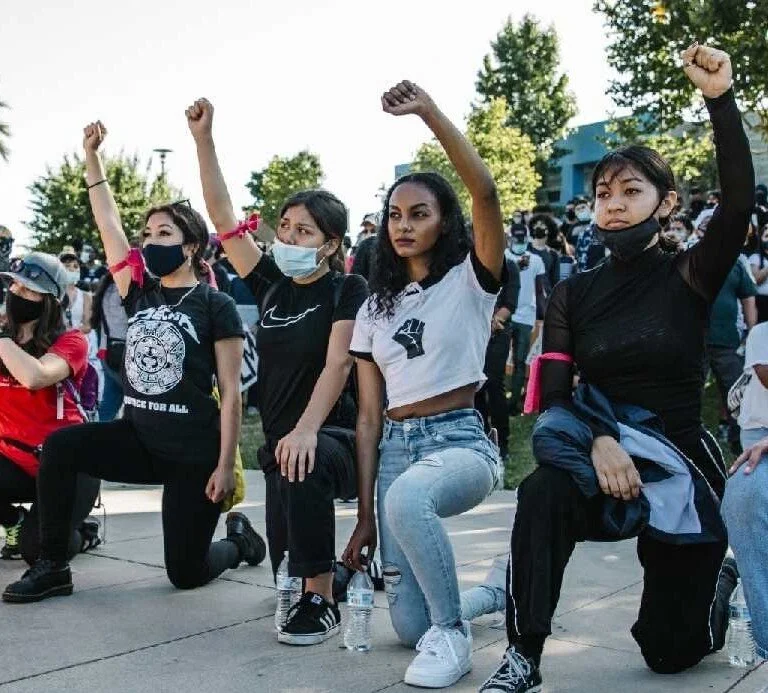
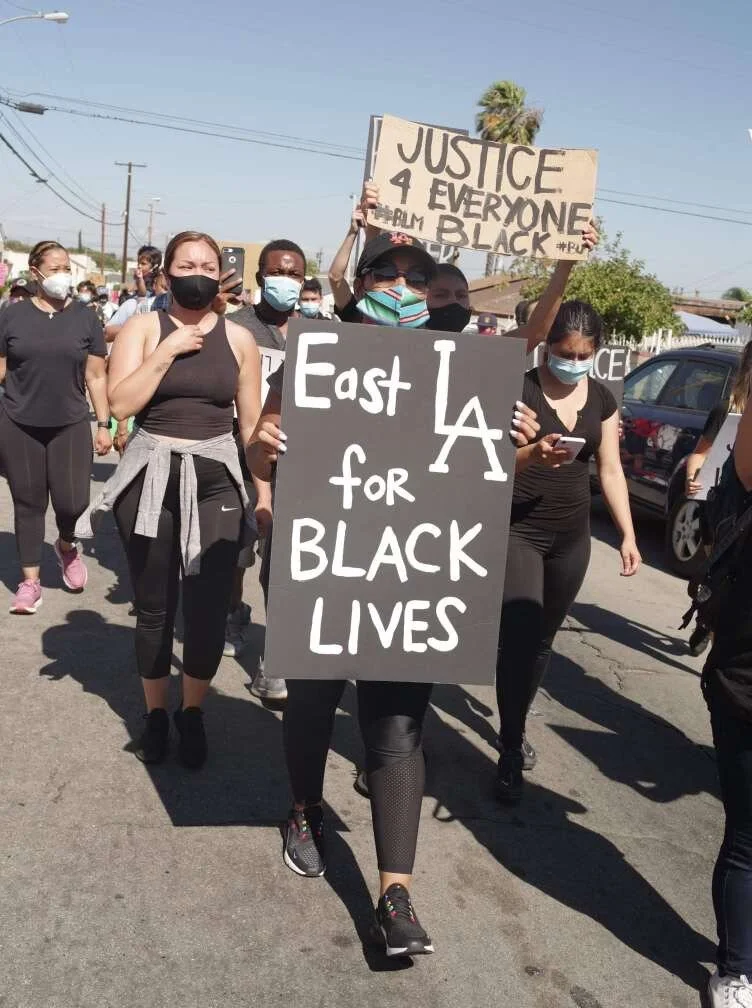
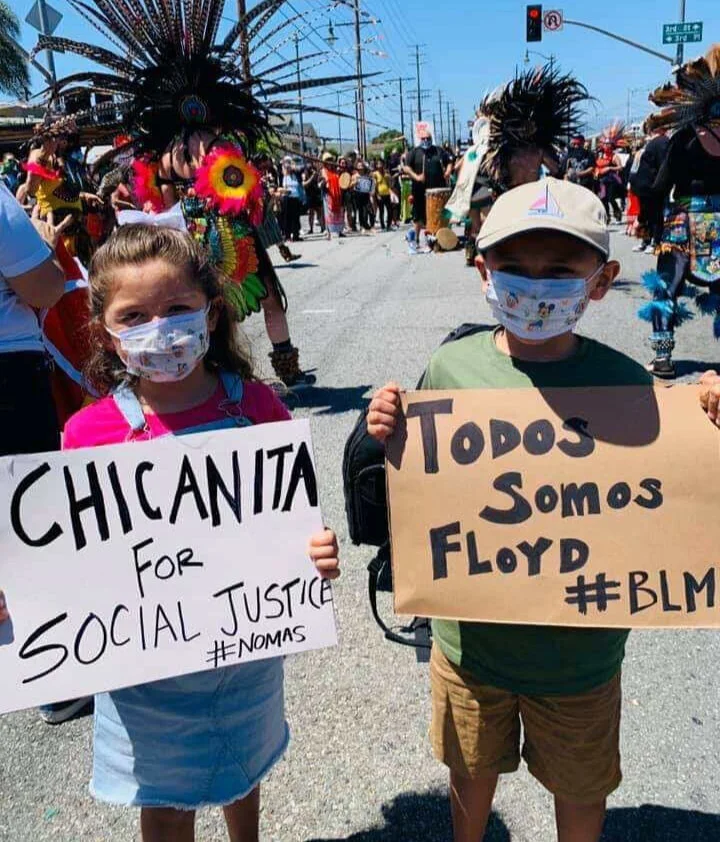
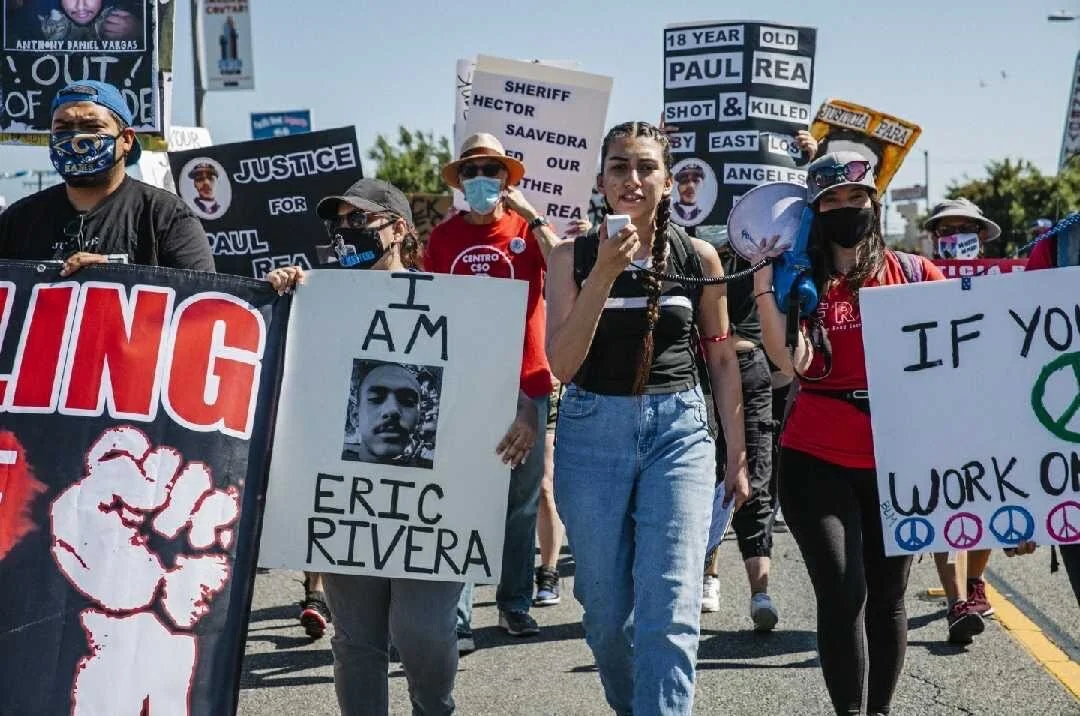
UPI seeks to dismantle the economy of mass incarceration and invest in building a community-based public safety and health infrastructure that allows people of color to thrive. Public leaders across the country are looking for a quick fix, but there is no quick fix. Change is only going to come from a seismic shift in power away from police, police unions, and the justice system towards a transformative investment in community-led safety and health solutions. American policing needs radical restructuring. Public safety should be redefined by communities that experience over-policing and violence.
1. End Over-Policing of Communities of Color
-
End and divest funding from law enforcement practices that support systemic racism, use of force, and warrior style policing
-
End stop and frisk practices
-
End racial and gang profiling
-
End use of gang databases and injunctions
-
End police in schools
-
End police collaboration with Immigration and Customs Enforcement (ICE)
-
Decriminalize and de-prioritize enforcement of minor crimes
-
End for-profit policing and eliminate fines and fees for low-income people
2. End Police Violence & Brutality
-
End use of adversarial policing and aggressive suppression tactics
-
Transform use of force policies
-
Require police departments to bear the cost of misconduct; settlements should be paid out of police budgets
3. Reimagine Policing for Public Trust
-
Embrace policing that focuses on community well-being and building public trust as core value in communities of color
-
Transform policing approach from warrior-style to guardian-style policing
-
Recognize officers for exercising restraint and embracing relationship-based policing
-
Change promotional criteria and incentives for officers
-
Institutionalize and fund community-based pre-arrest diversion practices
-
Require relationship-based policing training for all officers
-
Require public agencies and police departments to engage with community-based training organizations and resident leaders
-
Require officers responding to school incidents have advanced training to work with youth
-
Law enforcement should embrace community-based alternatives to addressing safety for non-criminal offenses
4. Invest in Community-Based Alternatives to Public Safety
-
Divest funding from law enforcement practices that support systemic racism, use of force, and warrior style policing to fund alternative community-based public safety strategies
-
Build a comprehensive community-based public safety infrastructure focused on non-law enforcement approaches to neighborhood health and safety
-
Review public safety budgets at the state, county, and city level to reprioritize funding to improve community health and safety; redistribute public safety funding responsibilities between city, county, and state
-
End the use of police in schools and divest funding to support school mental health counselors, gang intervention and outreach workers, nurses, psychologists, social workers, and public health workers
-
Increase public and private investment in gang and street outreach
-
Expand the role of gang intervention and outreach workers to respond and de-escalate violence as an alternative to law enforcement
-
Increase investment and expand community leadership development to guide public safety initiatives
-
Increase investment in and expand the role of community-based mental health responders
-
Expand community-led and operated pre-arrest diversion alternatives
-
Expand behavioral health and addiction infrastructure with harm reduction approaches
5. Ensure Community-Led Police Accountability
-
Create police commission and civilian complaints offices including community oversight with subpoena power
-
Invest in community leadership training to ensure police accountability is driven by communities of color most impacted by over policing
-
Ensure expedient officer discipline and prosecution without pay when under investigation of an alleged crime or improper use of force
-
Assign independent prosecutors for use of force cases
-
Ensure citizens’ rights to record and film police is respected by law enforcement agencies
-
Establish policies that allow individuals to review police video and audio footage of their interaction with police without a court order
-
Require the use of body cameras and dashboard cameras, and require the expedient release of footage to the public
-
Enact consent decrees with strict oversight and accountability (federal and/or state)
-
End the application of qualified immunity doctrine to police accused of use of excessive and/or deadly force
-
End application of SLAPP motions by government agencies to discourage lawsuits seeking accountability
-
Require policing data publication for arrests, diversion, officer-involved shootings with disaggregation by race, age, and zip code
-
Ensure data transparency and make data available on officer misconduct, lawsuits, disciplinary actions, etc.
-
End police union interference in the oversight and crafting of police accountability
-
State legislatures must separate negotiation of contracts on police wages and benefits from law enforcement disciplinary procedures
-
State legislators must ensure transparency and public involvement in the negotiation of collective bargaining agreements for law enforcement
-
Revise state “Officer Bill of Rights” to ensure it does not interfere with officer accountability
-
Increase budget transparency for law enforcement agencies