Incarcerated youth advocate for their own futures

When we talk about the futures of young people, their voices are paramount. In Los Angeles, groups of currently incarcerated youth have been using their creativity and lived experience to activate change for themselves and their peers. Urban Peace Institute is incredibly excited to co-sponsor two historic bills that were conceived of and co-written by two groups of currently incarcerated youth inside LA County’s Los Padrinos Juvenile Hall.

For nearly two years, UPI has joined our partner, Hoops 4 Justice, to go inside Los Padrinos and work with youth on their political education and advocacy. The resulting bills—the Hug Act (AB 1646) and the Voice Act (AB 1647)—each have the potential to transform the lives of young people and families who come into contact with California’s juvenile facilities. This form of youth-led policy design is a groundbreaking move from young people to advocate for themselves and their futures.

Alongside the author, Assemblymember Isaac Bryan, and our co-sponsors below, UPI is dedicated to advocating for the passage of these bills so that incarcerated youth receive the care, dignity, and safety they deserve.

Read on to learn more about each bill and how they could shape the future of safety and justice across the state. To stay updated on how to support the Hug Act and the Voice Act as they advance through the legislative process, follow UPI on Instagram at @urbanpeaceinstitute.

Author: Assemblymember Isaac Bryan

Co-sponsors:

  • Urban Peace Institute
  • Hoops 4 Justice
  • Alliance for Boys and Men of Color
  • W. Haywood Burns Institute
  • Communities United for Restorative Youth Justice
  • Hang Out Do Good
  • Legal Services for Prisoners with Children/All of Us or None
  • The Movement/The Voice of Transfer Youth (groups of incarcerated youth who wrote the bills)

Read on to learn more about each bill and how they could shape the future of safety and justice across the state.

Hug Act artwork created by Ruben, a young person currently incarcerated at Los Padrinos Juvenile Hall.

AB 1646, Hug Act 

Imagine you’re a parent sitting across from your child, who you’ve been separated from and is being held in a locked facility. Maybe they’re crying or feeling isolated or scared. You want to comfort your child, but if you hug them or reach out to hold their hand, you could lose visitation rights. While California emphasizes rehabilitation for youth in the juvenile system, the right to physical affection during family visits has not been fully realized. Currently, the rules around physical affection during visits depend on each county’s probation rules and the discretion of specific officers. 

This bill is simple: the Hug Act ensures that California’s incarcerated youth can finally exercise their rights to hug and hold hands with their families during in-person visits, no matter what county they live in.

Allowing youth to experience the comfort of a hug with their family members encourages empathetic and positive relationships with other youth and adults in their lives. This is key to transforming the lives of young people, ensuring their safety, and counteracting the trauma of incarceration. If passed, the Hug Act would be a positive step forward in putting into practice what LA County says it’s committed to—care, rehabilitation and Youth Justice Reimagined. 

AB 1647, Voice Act 

The Voice Act will protect incarcerated young people’s right to be heard during one of the most consequential moments in their lives—during their transfer hearing. The Act codifies existing case law that protects youth from having their hearing testimony or statements made to a probation officer used against them in subsequent juvenile or criminal proceedings. It’s an important step toward protecting the rights of youth.

At a transfer hearing, the judge decides whether to keep a youth in juvenile court or try them as an adult for an alleged offense. In the juvenile legal system, transfer to adult criminal court is, as the California Supreme Court has recognized, “the worst punishment the juvenile system is empowered to inflict.” When a juvenile court sends a youth to adult court, they take away a young person’s best opportunity for rehabilitation.

For youth undergoing transfer hearings, the stakes could not be higher. The incarcerated youth leading this bill understand firsthand how dehumanizing it feels when probation officers, judges, and lawyers speak about them in court and make life-altering judgments without ever hearing their voice. Young people deserve to express themselves openly in these hearings, with  certainty that the law will protect their statements.

Homicides Drop by Nearly 27% in Neighborhoods Most Impacted by Violence in 2025

Urban Peace Institute Joins Mayor Karen Bass to Announce Nearly 27% Drop in Homicides in Neighborhoods Most Impacted by Violence in 2025

Los Angeles City Council President Marqueece Harris-Dawson and Councilmembers Eunisses Hernandez and Tim McOsker Speak in Support of Community Violence Intervention

Mayor Karen Bass joined Urban Peace Institute (UPI), the Los Angeles Violence Intervention Coalition (LAVIC), Council President Marqueece Harris-Dawson, Councilmember Eunisses Hernandez, and Councilmember Tim McOsker to announce a drop in homicides across Los Angeles. In 2025, homicides in Gang Reduction and Youth Development (GRYD) zones — neighborhoods most impacted by violence where violence intervention programs are working — fell by 27%, a significantly greater decrease than the city overall. The data shows how community violence intervention (CVI) workers are essential to reducing violence on the ground and creating lasting safety in the communities of greatest need.

“The work of our prevention and intervention partners in GRYD is a cornerstone of our comprehensive approach to public safety, and it’s delivering real results: a nearly 27% drop in all homicides within GRYD zones in 2025,” said Mayor Bass. “With LA experiencing the lowest homicides on record in nearly 60 years, the work of the City’s intervention workers and peacekeepers are changing lives, transforming communities, and helping prevent crime from occurring.”

“In the last year, Los Angeles has faced unprecedented challenges, including the flooding of our streets by the National Guard, ICE agents terrorizing our communities, and significant federal funding cuts to public safety. Yet, peacemakers prevailed and made our city safer,” said UPI’s executive director, Fernando Rejón. “With challenges ahead, we must acknowledge that peace is fragile. As our state and local governments face more budgetary challenges, we are here to say to all government and philanthropic leaders: we cannot afford NOT to invest in community violence intervention.”

“The evidence is clear—when we approach public safety through a community-driven lens, we can save lives,” said Council President Marqueece Harris-Dawson. “Thank you to the leadership of Mayor Karen Bass and each prevention worker and peacemaker who has played a key role in making our neighborhoods safer.”

“From Watts to the waterfront, across our One-Five communities, the impact of community violence intervention is felt every day. This work is not only about responding in moments of crisis, but about preventing harm before it happens, ensuring kids can walk to school, families can gather in parks, and neighborhoods can come together safely. That is what real community safety looks like. On behalf of residents across my community, thank you to the peacemakers and intervention workers who show up every day to keep our neighborhoods safe,” said Councilmember Tim McOsker

Councilmember Eunisses Hernandez said,“This significant drop in homicides proves what’s possible when the City invests in community engagement, youth development, and preventing harm before it happens instead of only reacting after tragedy strikes. In CD1, we’ve embraced that model through our Peace Ambassadors and have seen firsthand the tangible impact of this community-led safety initiative. As the Trump Administration threatens cuts to these critical violence intervention programs, Los Angeles will continue to show the country that care-first approaches save lives.”

These historic drops in violence, however, come at a time when essential funding CVI in Los Angeles is set to expire. 

In 2024, UPI, in partnership with LAVIC, launched the LA Peacemakers Initiative, which has provided a critical enhancement to GRYD services. The initiative is a public-private partnership that has invested over $9 million dollars in federal and philanthropic funding to support 18 CVI agencies throughout the city. Mayor Bass was an essential part of securing some of this funding through her prior role as a member of Congress.

The increased investment has allowed CVI agencies to increase their capacity to interrupt and prevent violence. Since February 2024, LA Peacemaker Initiative agencies have: 

  • Responded to almost 1,700 crises, such as shootings and conflicts;
  • Prevented almost 2,000 incidents from escalating to violence through rumor control and facilitating open communication;
  • Enrolled almost 2,000 new participants in their programs—many of whom are youth at the highest risk of becoming involved in violence;
  • Hosted thousands of community events, meetings, workshops and social activities that make our communities stronger and more connected. 

Additionally, the initiative has increased the frontline CVI workforce by 32% and has provided critical capacity building and administrative support to make agencies stronger and more sustainable.

Funding for the LA Peacemakers Initiative will run out in 2026, with no replacement from Congress or state funding in sight. UPI and LAVIC call on philanthropic and government leaders to invest in the LA Peacemakers Initiative to maintain the progress that has been made. 

“For over two decades, I’ve walked the streets of South Los Angeles and beyond — not as an observer, but as someone committed to stopping violence before it starts, interrupting retaliation, and helping families heal after tragedy,” said Los Angeles Violence Intervention Coalition Peacemaker, Ben “Taco” Owens. “CVI works because it is rooted in relationships, credibility, and lived experience. We take these ingredients and we train and professionalize this work with ethics and standards. If we want safer communities tomorrow, we must invest in the people who are doing the work today. Public safety must include community safety.”

Concerns Regarding Recent Changes to DOJ CVIPI Funding

Urban Peace Institute and the undersigned organizations share the following statement concerning changes to federal funding for community violence intervention (CVI).

Dear Partners,

We are writing to express urgent concerns regarding the current direction of the Department of Justice’s Community Violence Intervention and Prevention Initiative (CVIPI) grant program. When this initiative launched under the Biden Administration, it represented a historic and much-needed investment in community-led, non-punitive approaches to violence reduction work. It uniquely prioritized compassion, mentorship, and healing for those at the highest risk of being shot by centering dignity, trust, and public health principles over punishment.

Our intent in raising these concerns is to ensure alignment between federal, state, and local investments in violence reduction and the established evidence base for community violence intervention. We share the goal of reducing harm and improving safety; our concern lies in how the FY25 funding structure advances—or undermines—those goals.  

Among our primary concerns are the recent changes to the structure and language of this initiative which represent a significant and troubling departure from the initiative’s original values. These shifts include:

  1. Community-based organizations (CBOs) no longer being eligible to apply directly for CVIPI funding. Under the FY25 structure, only units of local government may apply, relegating CBOs to subrecipient roles and limiting their ability to design and lead interventions responsive to community needs.
  2. The initiative now being explicitly law enforcement–centered. The current stated purpose is to “support law enforcement efforts to reduce violent crime and improve police-community relations,” prioritizing enforcement-based approaches such as focused deterrence and cross-sector crime reduction strategies. This is a sharp deviation from the intended purpose to invest in evidence-informed, community-driven strategy.
  3. The solicitation now mandates compliance with federal immigration enforcement statutes, including 8 U.S.C. §1373, and prohibits any activity that “impedes or hinders” immigration enforcement. This effectively excludes undocumented community members from receiving social services they would have otherwise had access to and raises major concerns about data sharing, trust, and safety.

Community-based programs have consistently demonstrated measurable reductions in shootings and homicides when allowed to operate with independence and community trust. Shifting this work under an enforcement framework not only undermines those outcomes but risks reversing years of progress toward sustainable, community-centered safety strategies.

These changes also present profound operational and ethical challenges. Outreach professionals and credible messengers already operate in high-risk environments, and requiring coordination with federal law enforcement—including the Department of Homeland Security —exposes them to greater danger and jeopardizes the credibility they depend on to build peace. Furthermore, we are concerned the grant could cause government agencies and organizations to violate state and local “sanctuary” laws aimed to protect immigrant communities. This is of great concern as CVI work requires staff to engage the most vulnerable communities in the nation to ensure safety and build trust. It appears as though the current federal administration is weaponizing unfounded allegations of gang involvement which could further criminalize both Black and Brown communities. As we have witnessed in Washington D.C. and Chicago, the scope of ICE enforcement morphed to include “public safety” issues.

Given these shifts—and the administration’s increasingly heavy-handed approach to law enforcement, including greater cooperation with ICE and the deployment of National Guard troops to police U.S. citizens—we believe it is critical to ensure that partners committed to non-punitive violence intervention are not exposed to risks such as:

  • Programmatic collaboration, voluntary or otherwise, that could lead to participant arrests;
  • The blurring of boundaries between law enforcement and violence intervention roles; or
  • Information sharing that supports or facilitates ICE operations or other punitive enforcement measures.

For these reasons, we do not recommend that any of our CVI partners apply for these funds as an applicant or subcontracted agency. 

We remain committed to advancing community-led solutions that heal, protect, and empower, rather than criminalize–especially our most vulnerable neighbors. In alignment with the national CVI field, the work must remain independent from law enforcement to protect the safety of frontline intervention professionals, maintain their credibility in the field, and ensure community trust. We urge agencies and partners to carefully assess the implications of engaging with the FY25 CVIPI grant program, and to uphold fidelity to our shared values and the safety of those we serve.

In solidarity,
Fernando Rejón on behalf of Urban Peace Institute, the undersigned organizations and additional supporters who have chosen not to be publicly listed

Alliance for Community Empowerment

Arise & Go

Advocates for Peace and Urban Unity

Black Lives Matter Paterson

Brothers Taking Responsibility of Our Community (BTROC)

CBPS Collective

Center for Research on Crime, University of Southern California

Champions in Service

Chicago CRED

Community Based Public Safety Collective

Community Warriors 4 Peace

Garden Pathways

GIFFORDS Center for Violence Intervention

HELPER Foundation

Life-Line Colorado

National Association of Reentry Professionals, Inc.

New Jersey Communities for Accountable Policing

New Life Centers of Chicagoland

Newark Community Street Team

Overflow Health Alliance Inc

Resilient Agency

Southern California Ceasefire

Southern California Crossroads

STRONG SHOULDERS

Toberman Neighborhood Center

Victory Outreach

Volunteers of America Los Angeles

Watts Life United Inc

Advancing Oakland’s Vision for Safety

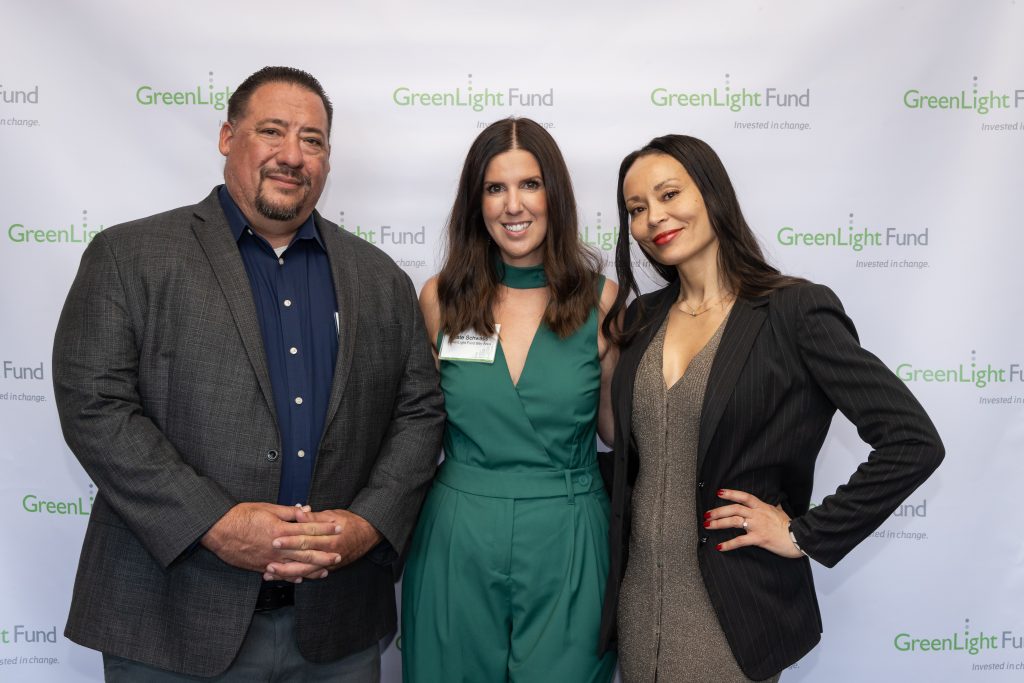
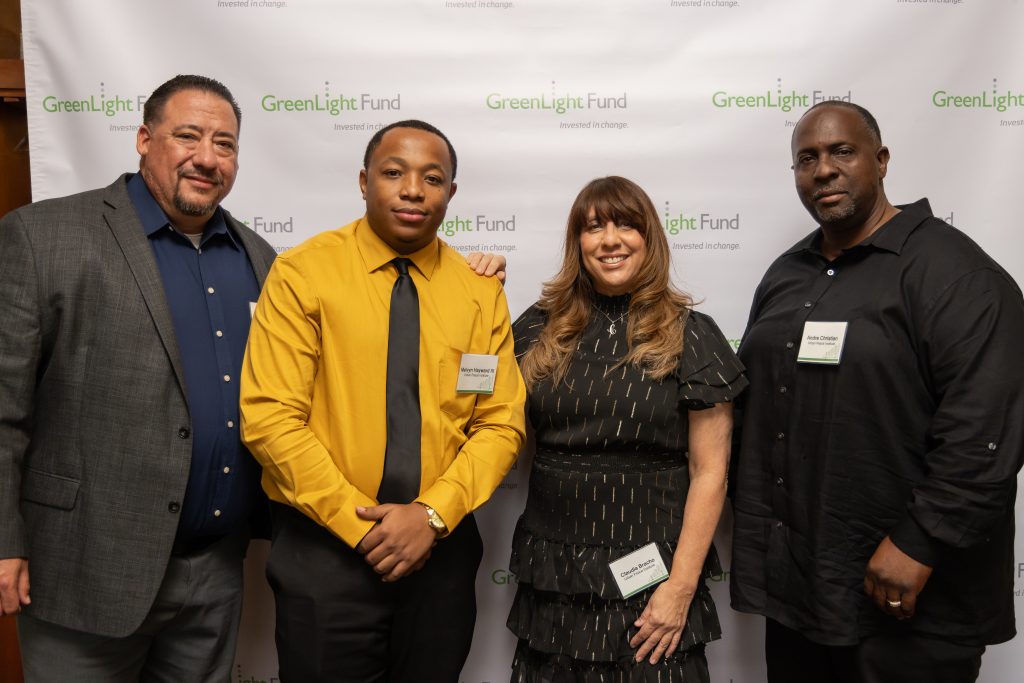
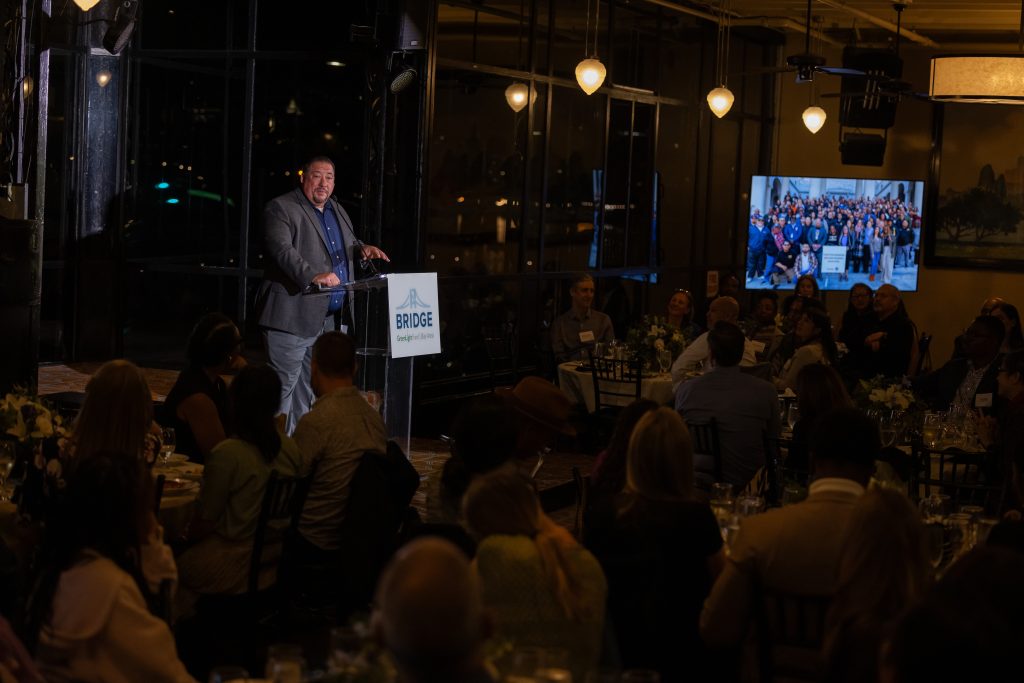
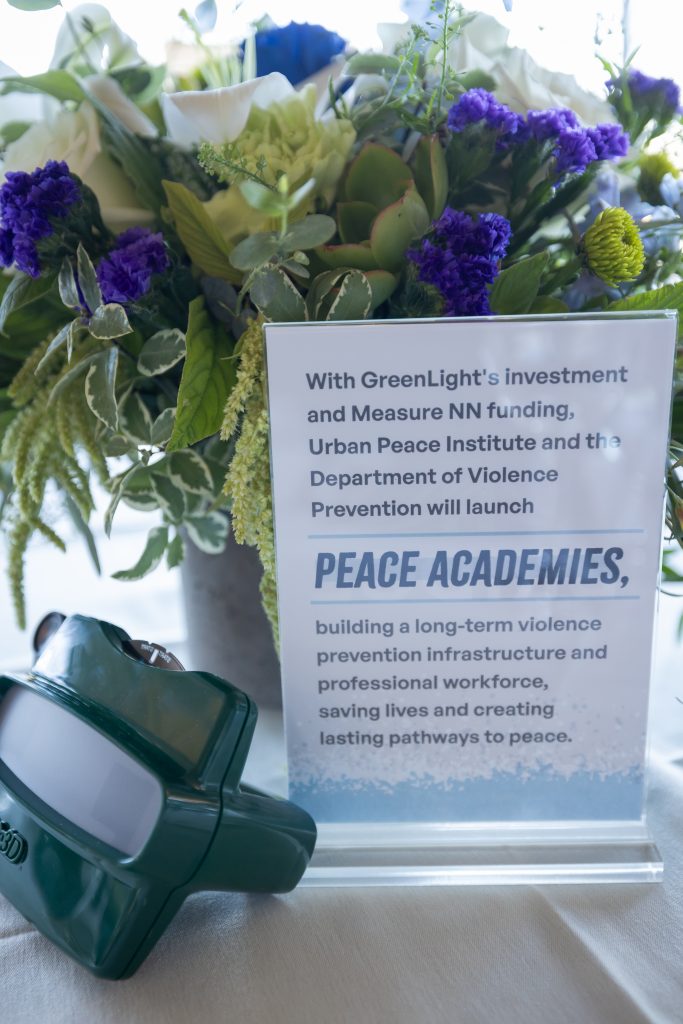
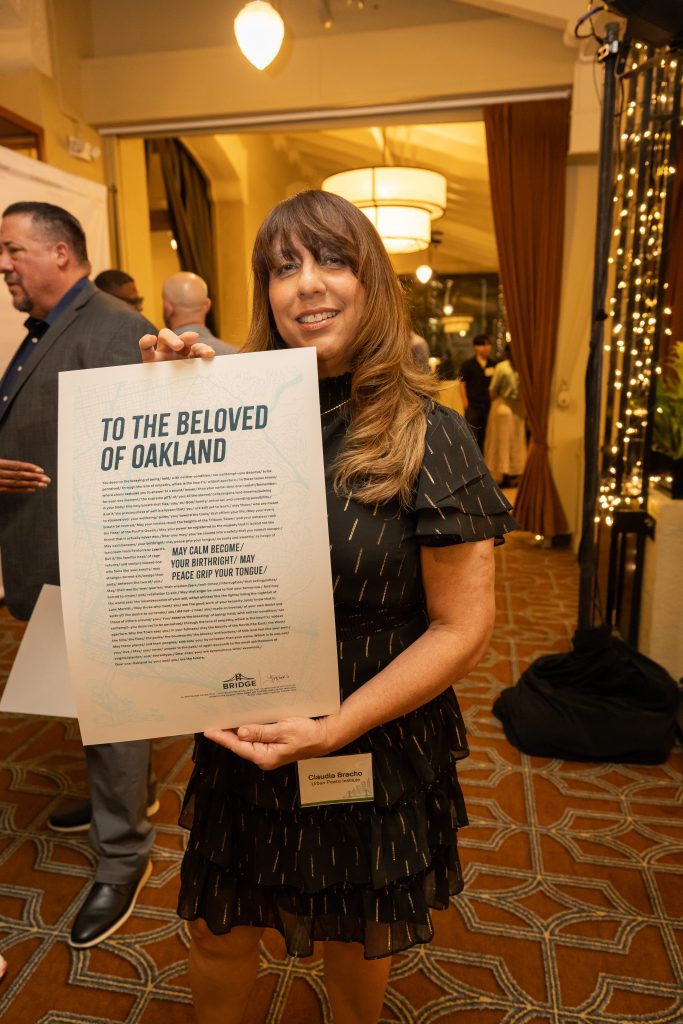
Urban Peace Institute is thrilled to announce our new partnership with GreenLight Fund San Francisco Bay Area! With GreenLight’s $1M investment, UPI will support the launch of a Peace Academy in Oakland to train and develop the city’s frontline community violence intervention workforce. We were deeply grateful to celebrate this announcement at a launch event last week alongside a wide range of Oakland leaders dedicated to safer communities and saving lives.

To accelerate recent progress in public safety and deepen local capacity, UPI will partner with local community-based organizations and the Department of Violence Prevention (DVP) to equip Oakland peacemakers with the tools and knowledge needed to cultivate lasting community safety. Program development begins immediately, and the first training cohorts will launch in 2027.

For nearly two decades, UPI has worked to strengthen the expertise of intervention workers who prevent violence before it starts—drawing on their lived experience and deep understanding of the neighborhoods they serve to create public safety. We’re proud to bring our national training and systems-building experience to advance Oakland’s vision for safety.

GreenLight Fund’s generous support and shared commitment to community-led safety make this partnership possible. Together, we’re redefining what safety means—grounded in care, built through collaboration, and led by community.

Judge denies receivership, while our young people remain in crisis

Today marked yet another disappointing outcome regarding the state of Los Angeles County’s juvenile halls. A judge decided not to place the County’s Probation Department under receivership. While a receivership would have brought its own uncertainties, namely who would be appointed as the receiver, it was an opportunity to finally break the status quo and take action to create better conditions for incarcerated youth. 

The decision shows just how committed our judicial and legislative leaders are to maintaining a dysfunctional system that we know doesn’t work. Over the years, the Probation Department has exposed young people to horrific and illegal conditions that have caused serious harm — including the use of pepper spray even after it was banned, promoting youth-on-youth violence through so-called “gladiator fights,” and fostering environments that contributed to multiple youth overdoses. Further, LA County is set to payout $4 billion in lawsuit settlements — the largest in U.S. history — due in part to Probation’s abuse of young people. 

It’s long past time to act with urgency to protect our youth.

What was today’s hearing about?

In January 2021, California’s Attorney General filed a case against LA County and the Probation Department for harmful and illegal conditions inside county juvenile halls. After the case was filed, the County and the Attorney General’s office entered into a settlement agreement to improve conditions — this included improving staffing ratios, use of force practices, and access to education and medical care. Over the last four years, the Probation Department has failed to meet the conditions of the settlement agreement. 

Those who have been following the situation might remember that in December 2024, the Board of State and Community Corrections (BSCC) found Los Padrinos Juvenile Hall out of compliance with minimum suitability standards and the facility has been operating unlawfully ever since. 

In July of this year, the Attorney General asked the court to grant receivership over the county’s juvenile halls, which would give a receiver — rather than the Chief Probation Officer or the County — the power and authority to improve conditions.

Why did the judge deny receivership? 

Ultimately, the judge stated that he needed more information and evidence to understand what was going on in the case. Two upcoming evidentiary hearings were scheduled for October 24th and November 7th. At the hearings, the judge will hear from witnesses on three areas the court identified as priorities: 1) staffing, 2) data management, and 3) use of force. 

So, what can we do?

Stay engaged and stay informed!

We can’t lose sight of the fact that we’re talking about the immediate health and well-being of children. This is not just about a court decision and a series of hearings — it’s about real, individual young lives. 

While today’s decision was disappointing, we continue to fight. Community organizations from LAYUP and the Liberation Fund showed up to the hearing to bear witness, be in community, and remind our leaders that: we keep us safe

LA County has shown us time and again that it can’t adequately care for our young people. But we know that communities can create long lasting transformational change. We already have a roadmap — it’s called Youth Justice Reimagined

As the case develops, we will continue to share updates, resources, and ways to support. To stay in touch, sign the Peace Pledge and follow UPI and LAYUP on Instagram.